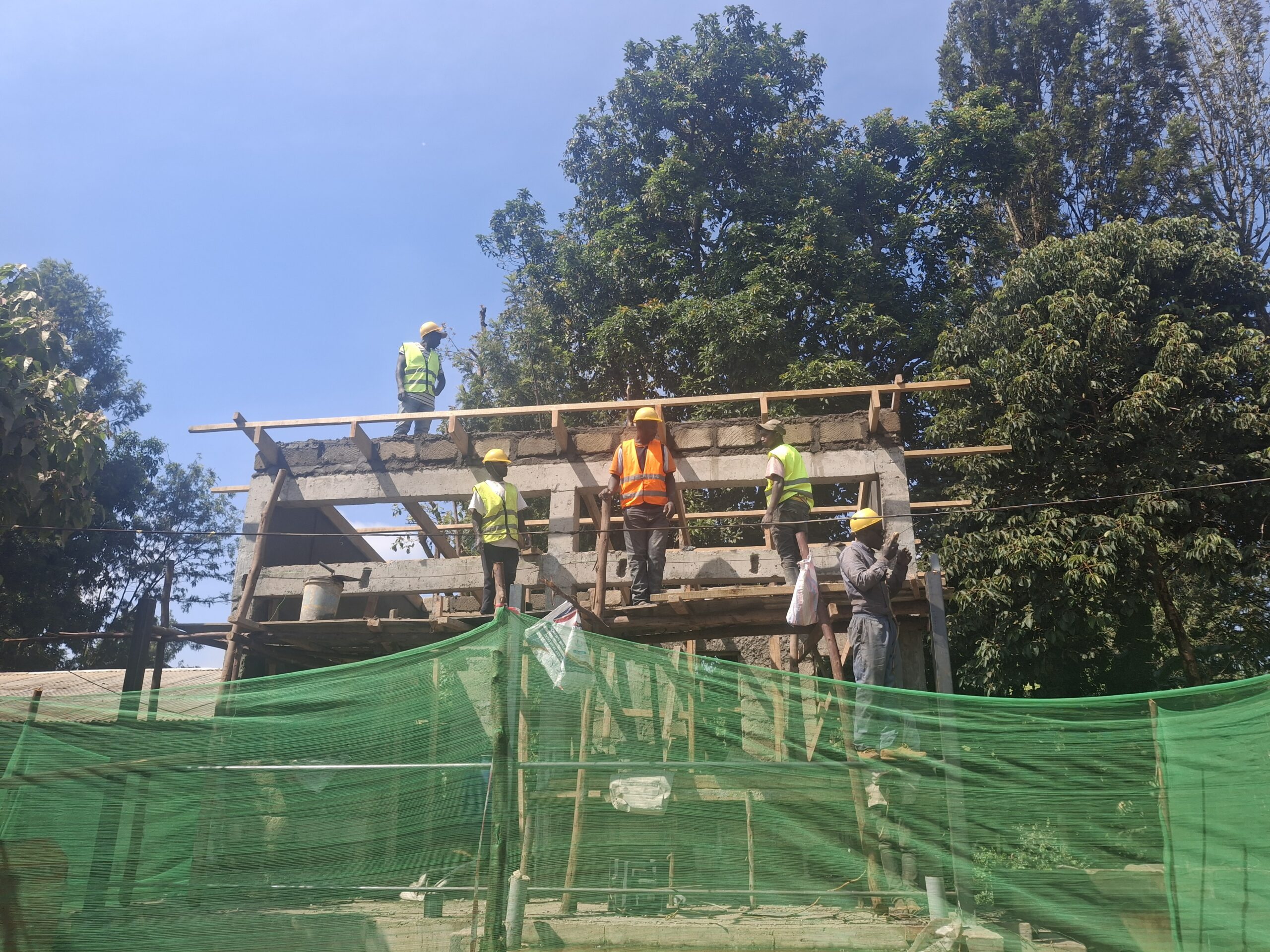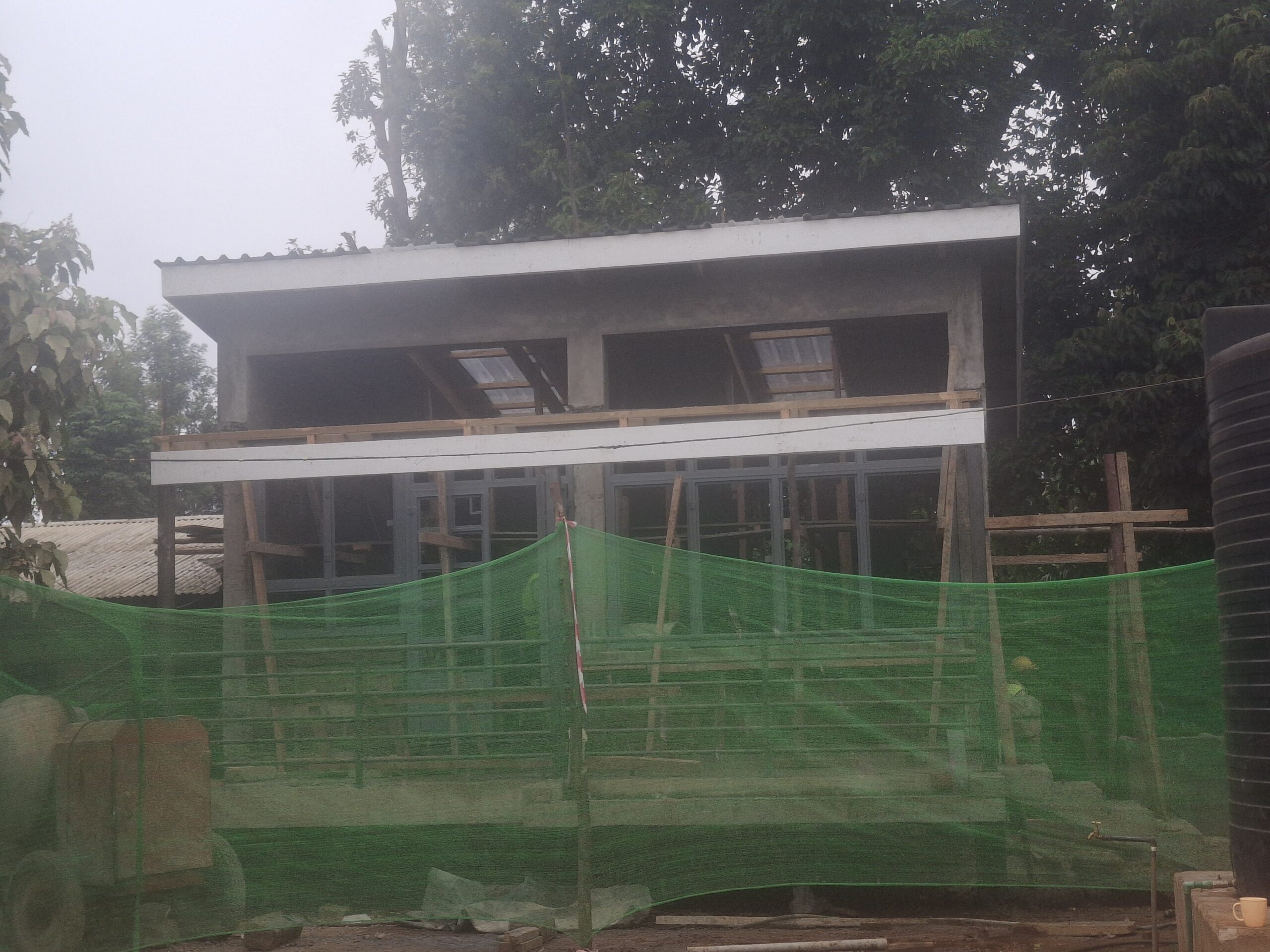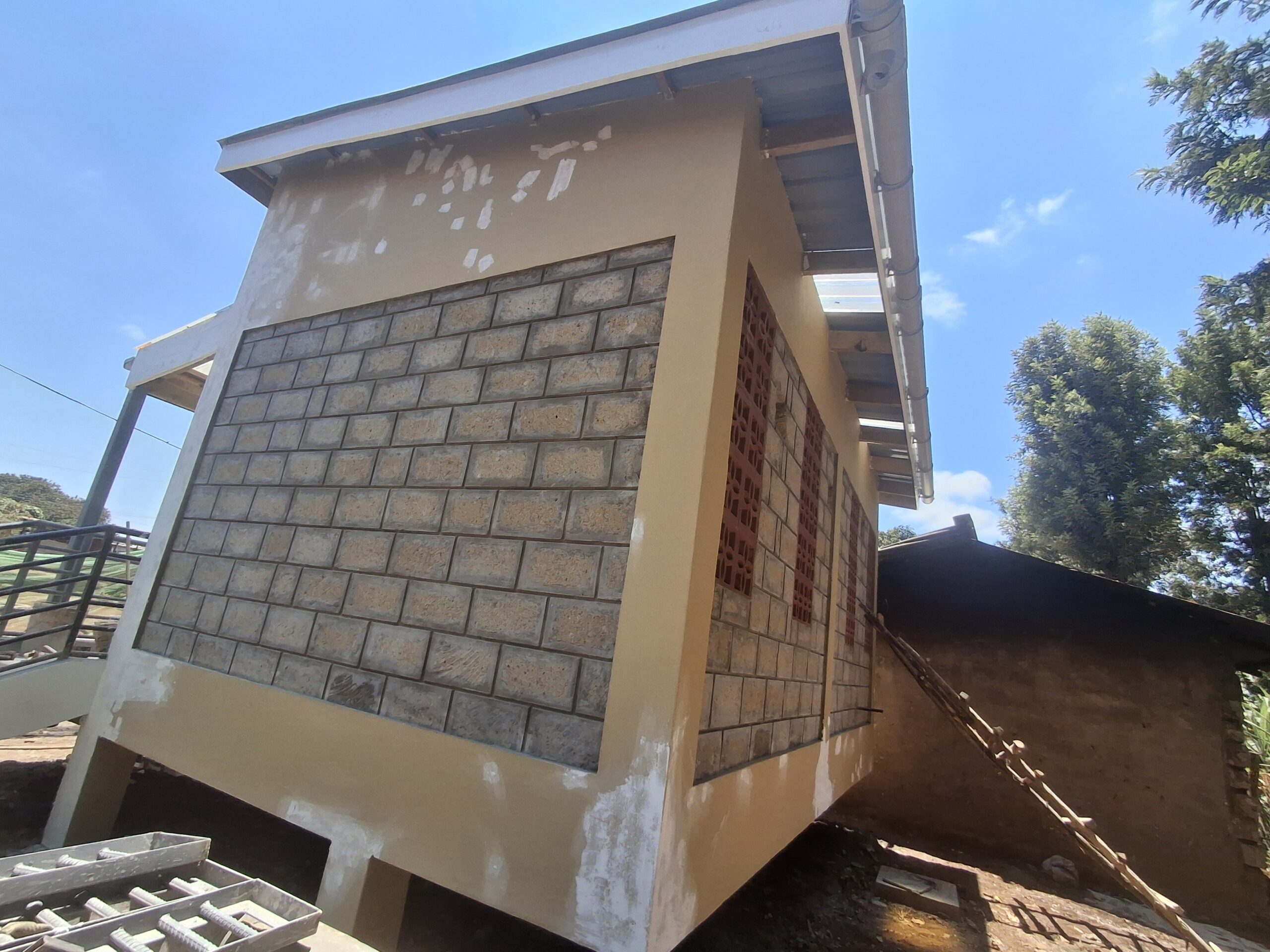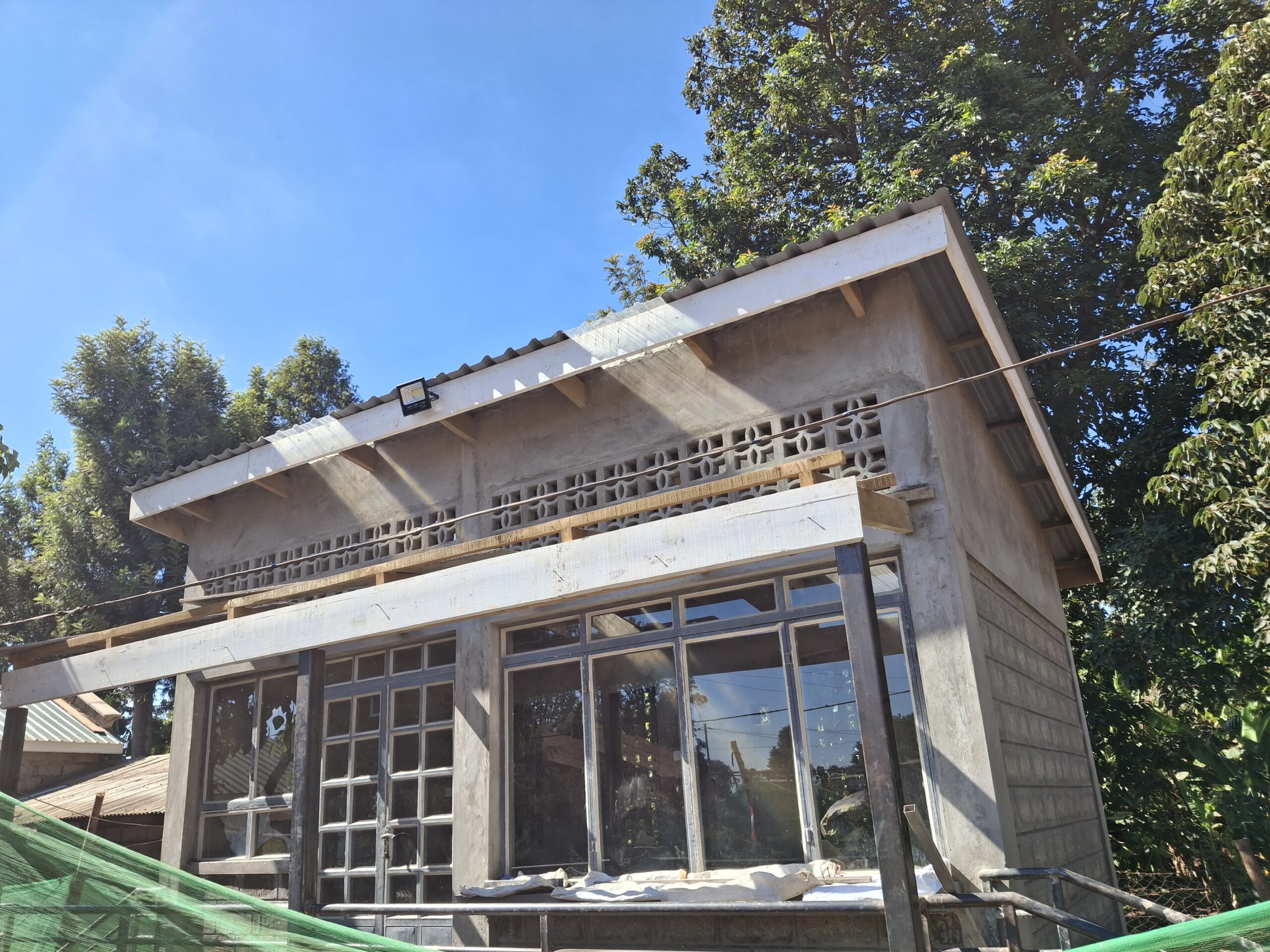
Macecall Children’s Mission Kitchen
Meru, Kenya | 2026
Need & Opportunity
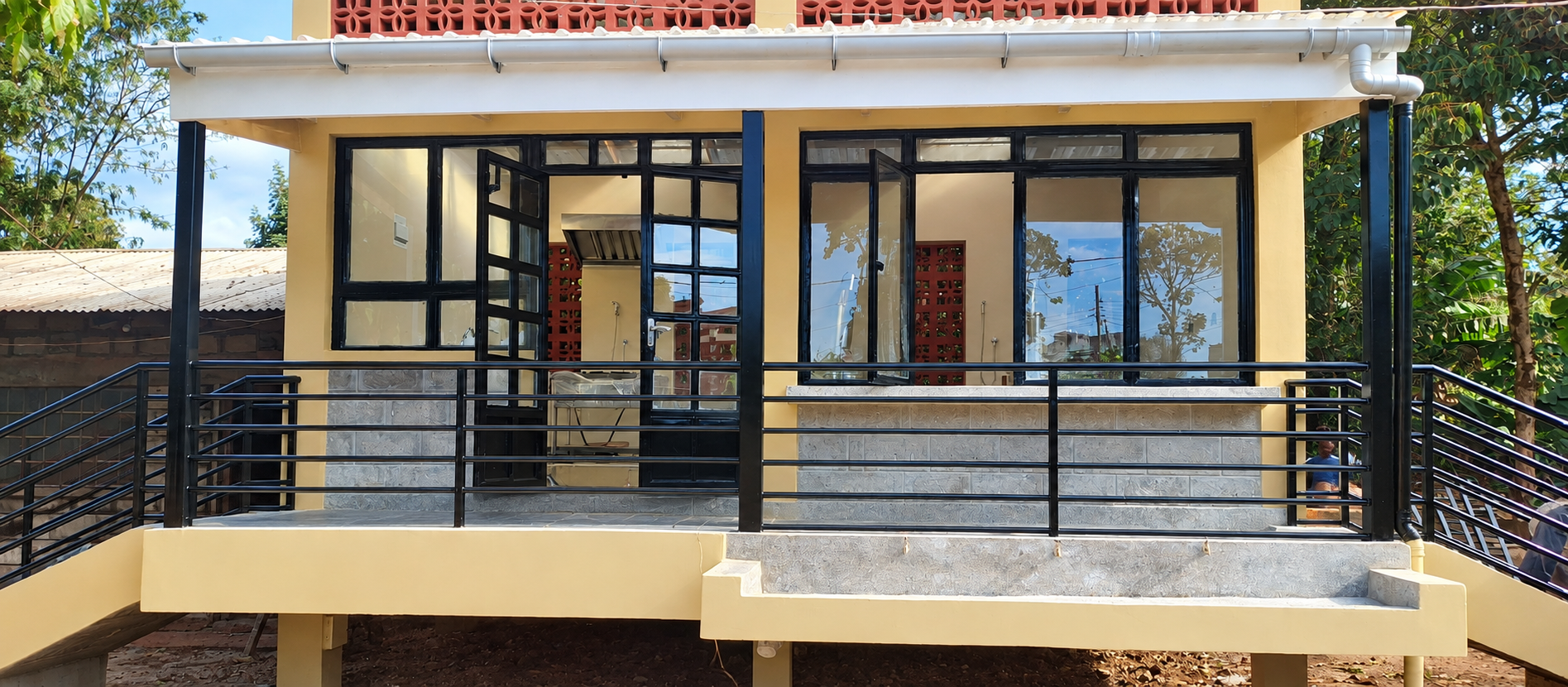
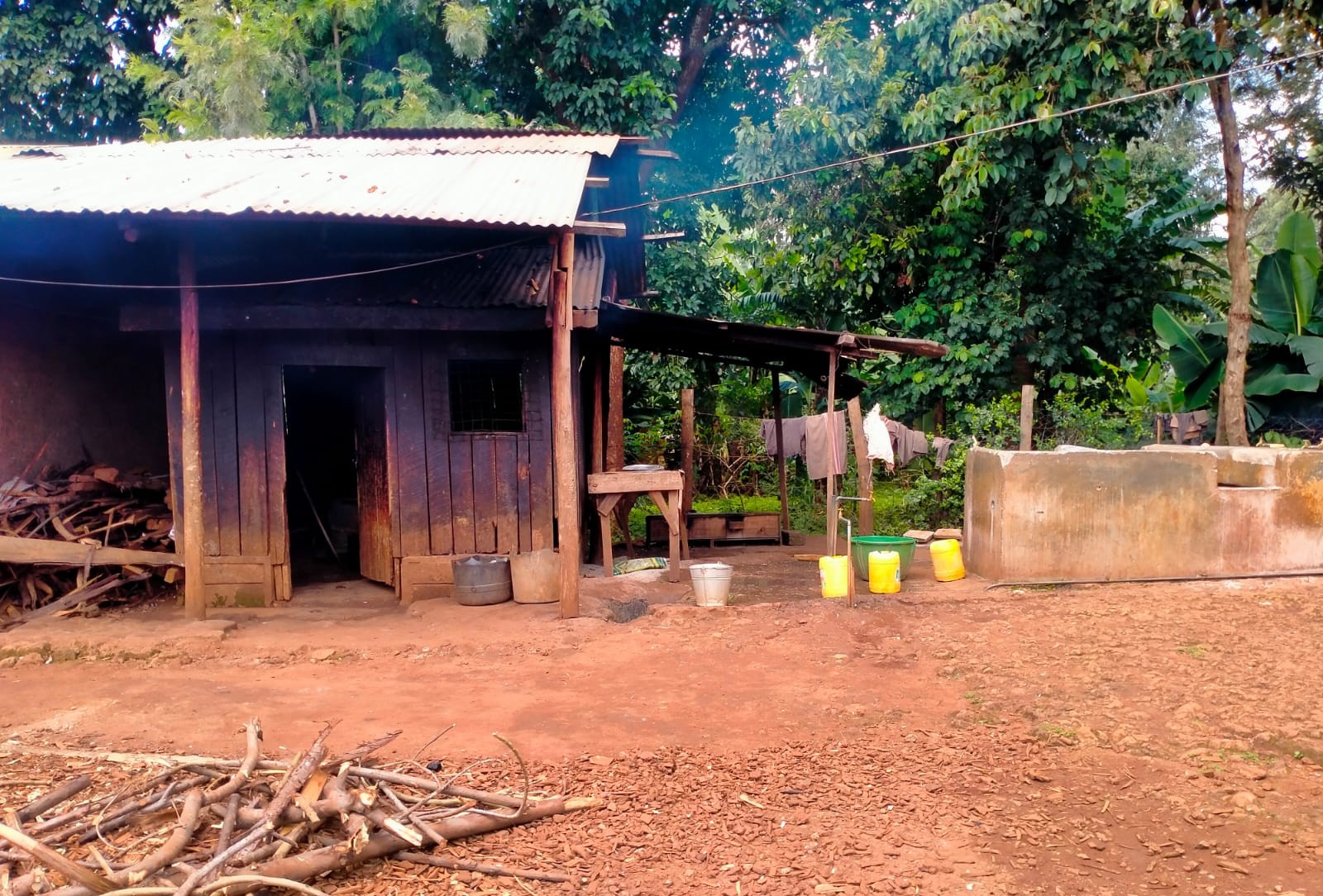
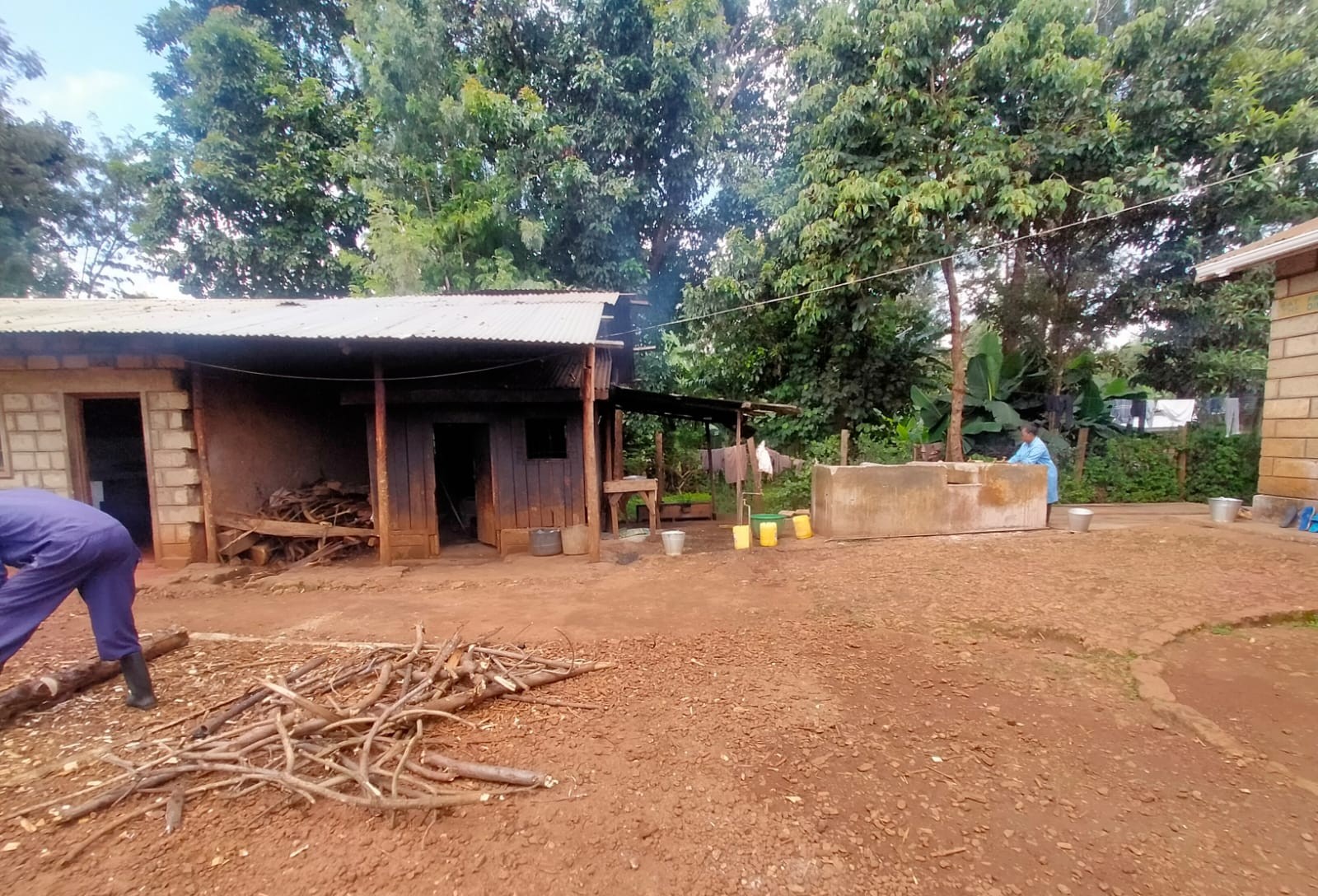
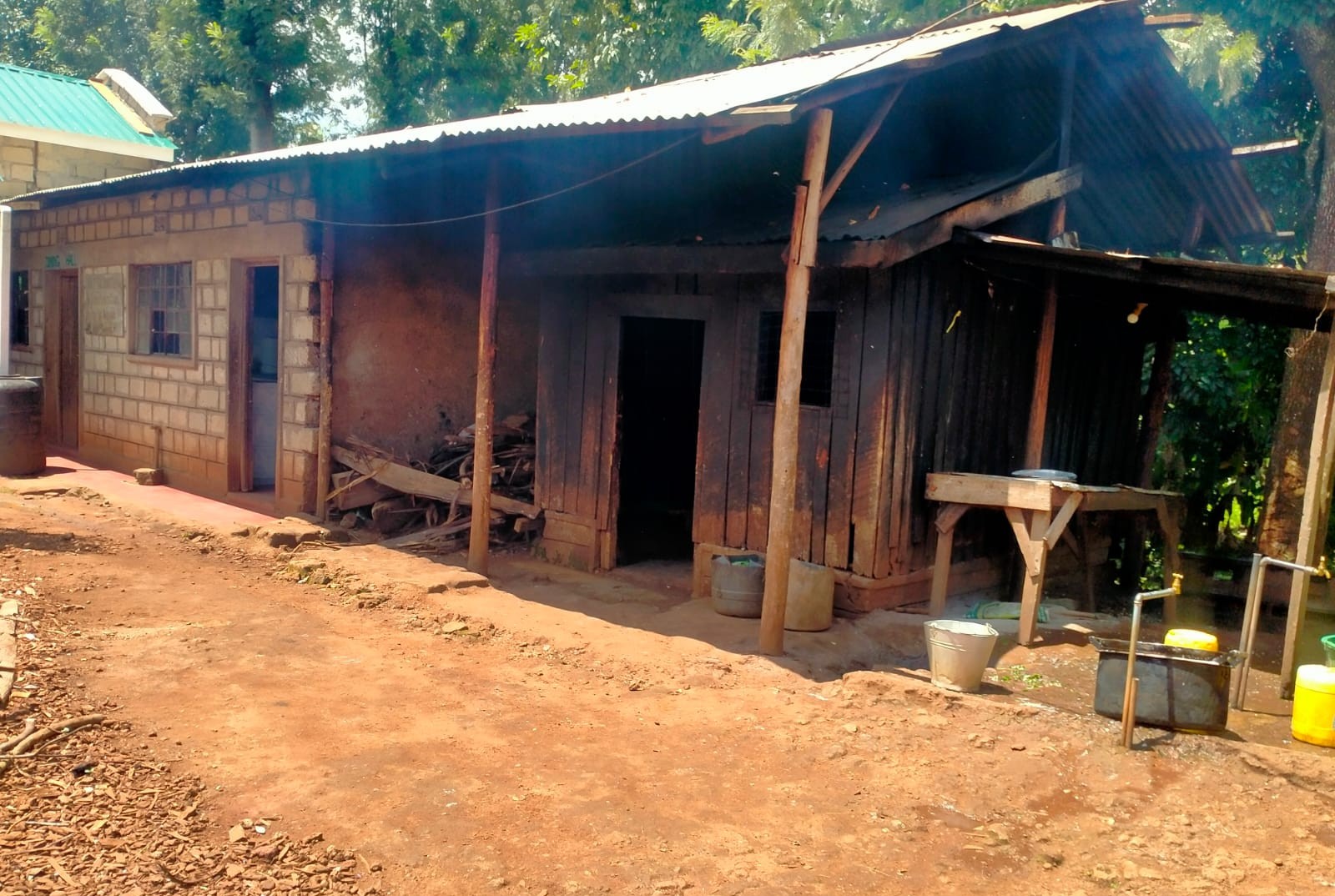
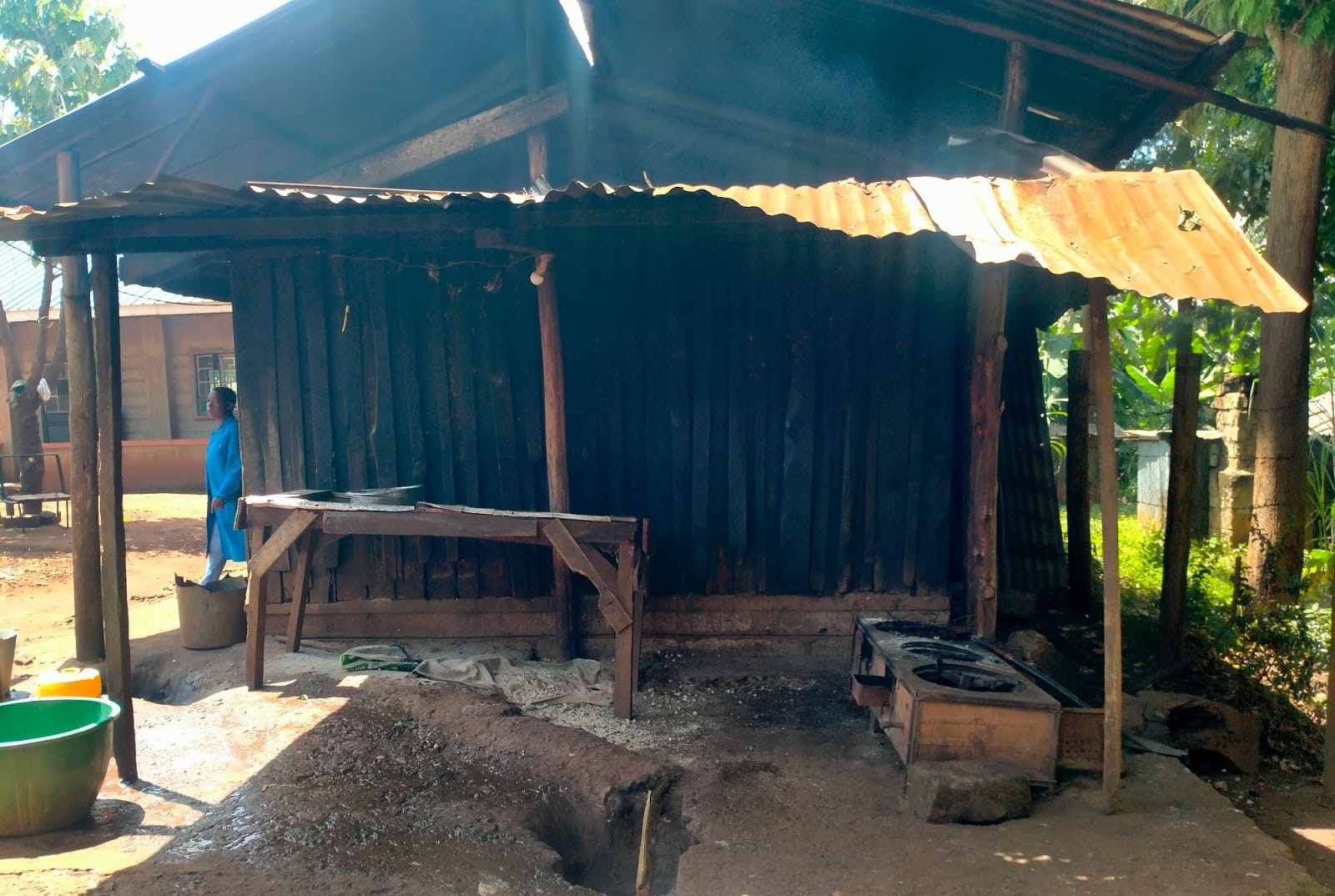
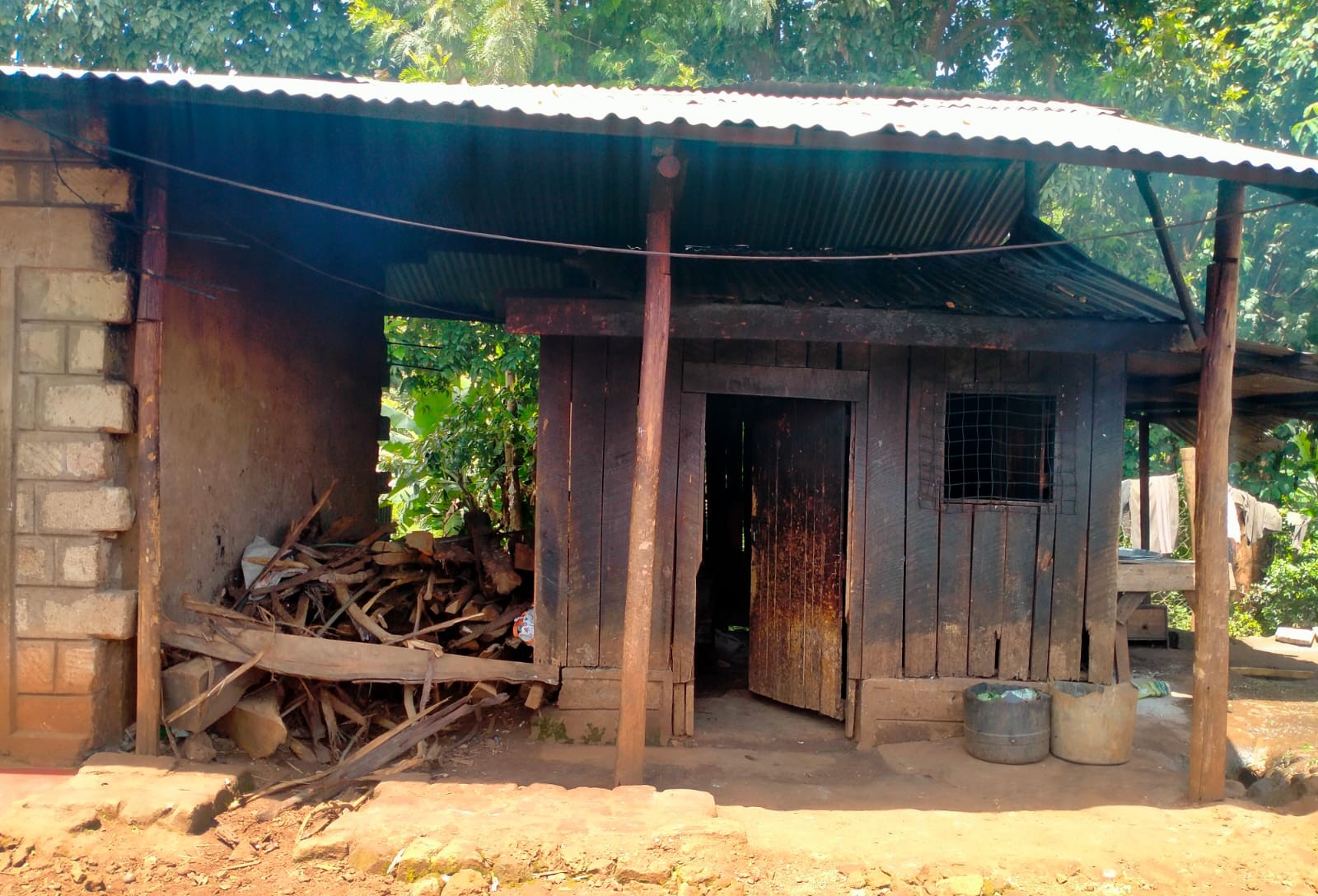
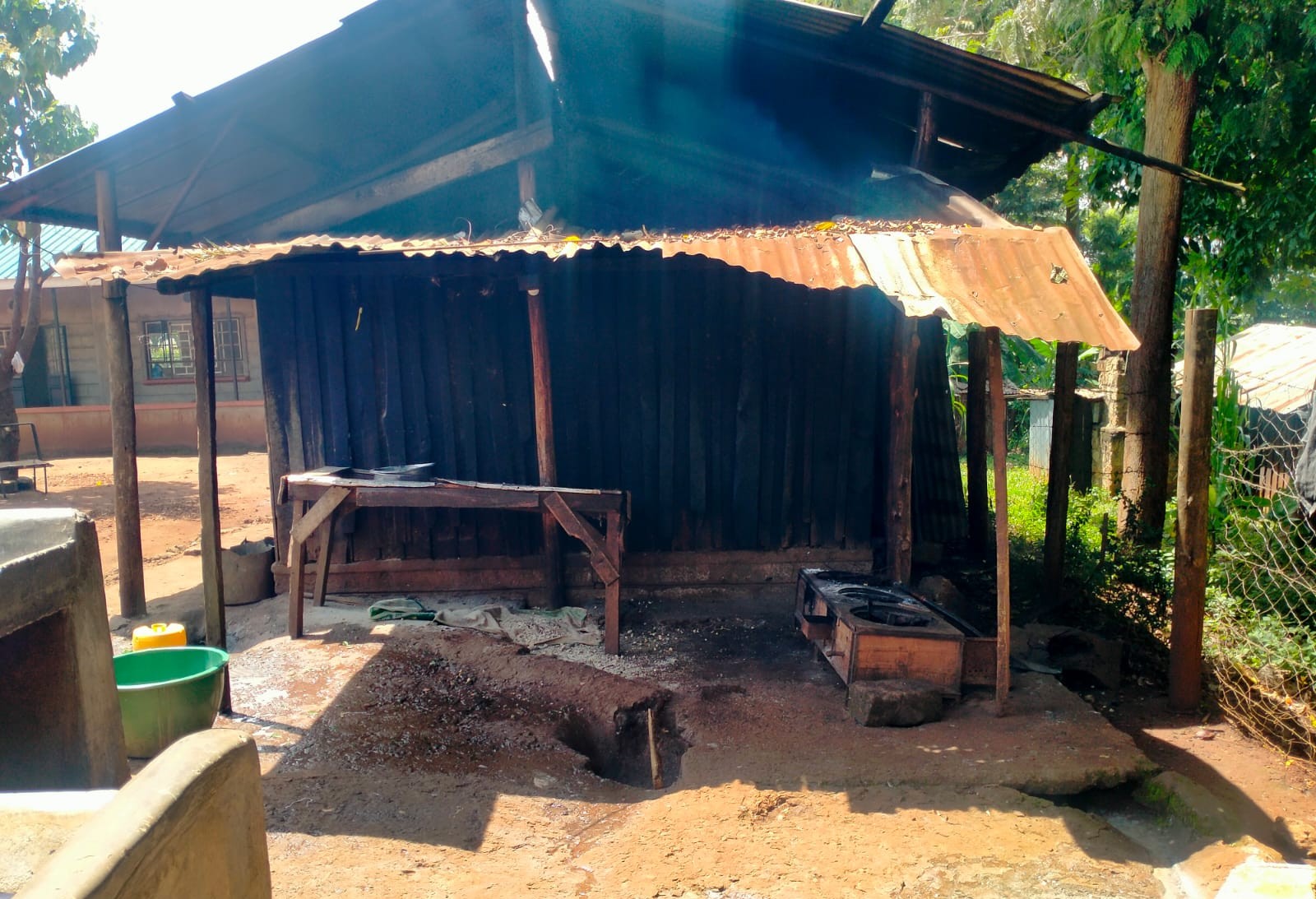
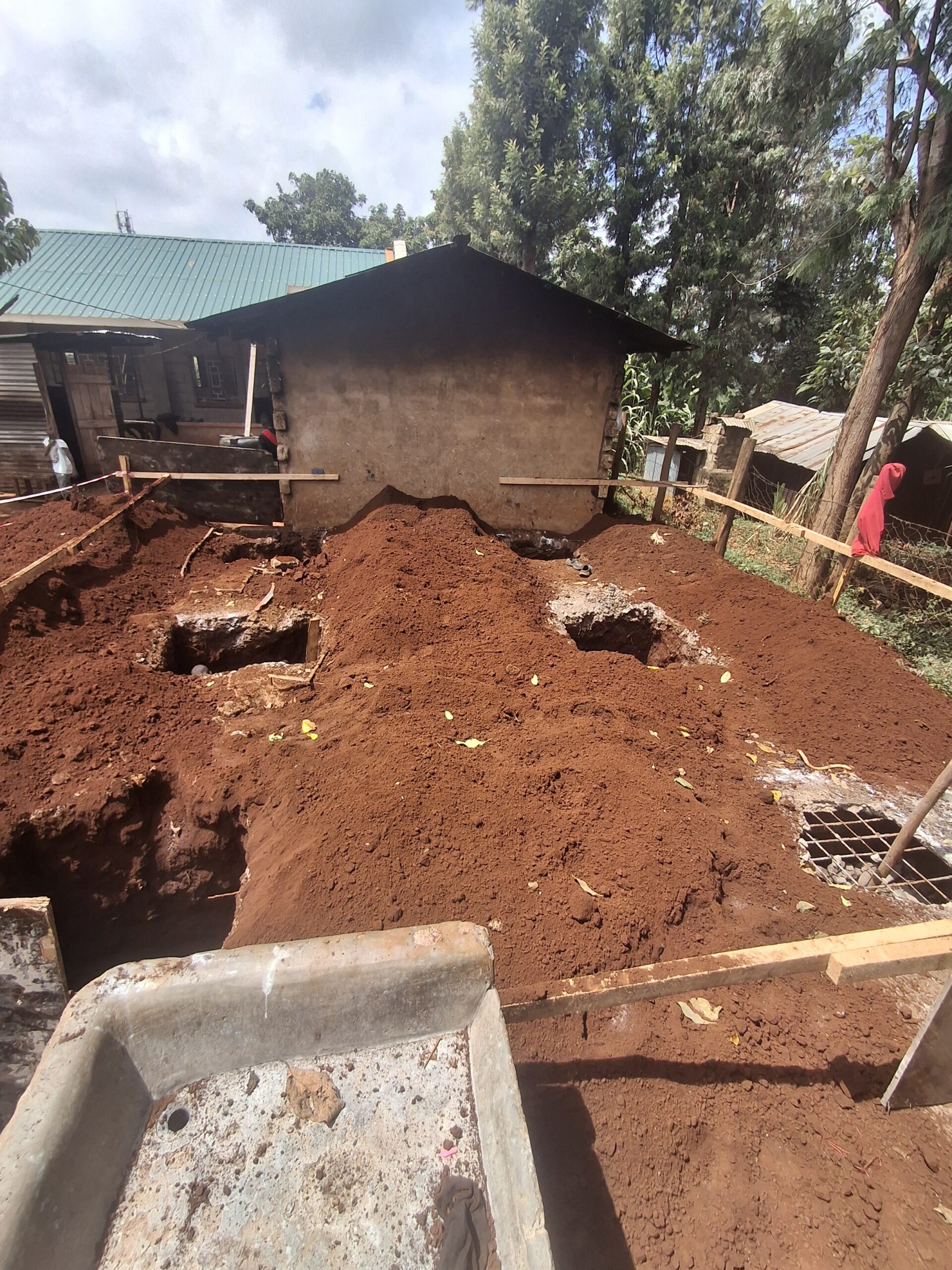
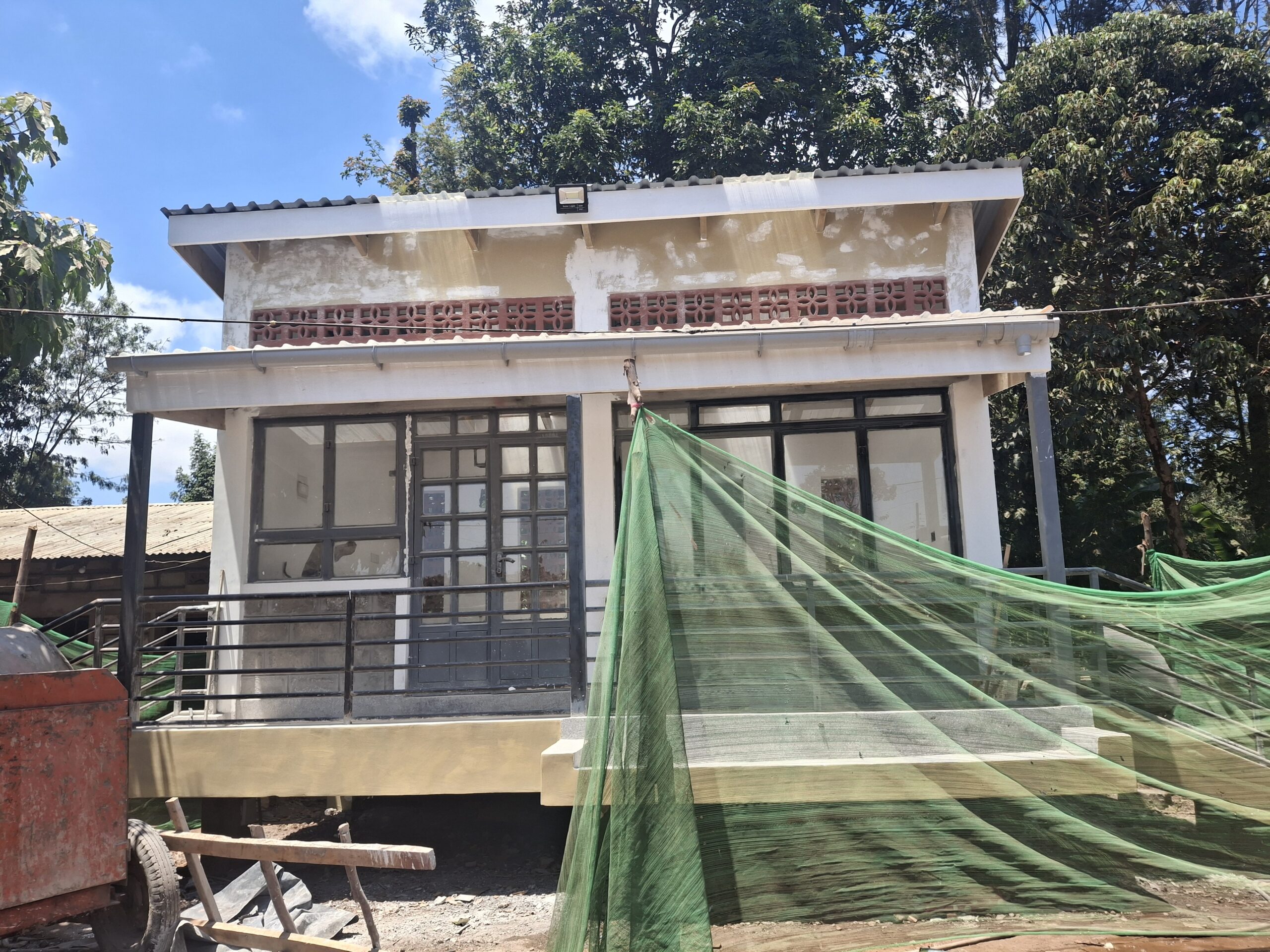
Since Macecall Children’s Home moved to its current location in 2002, the facility has relied on a temporary kitchen built from timber and iron sheets. The structure did not meet basic health standards and used an open fire for cooking, generating heavy smoke and indoor air pollution that threatened the respiratory health of kitchen staff.
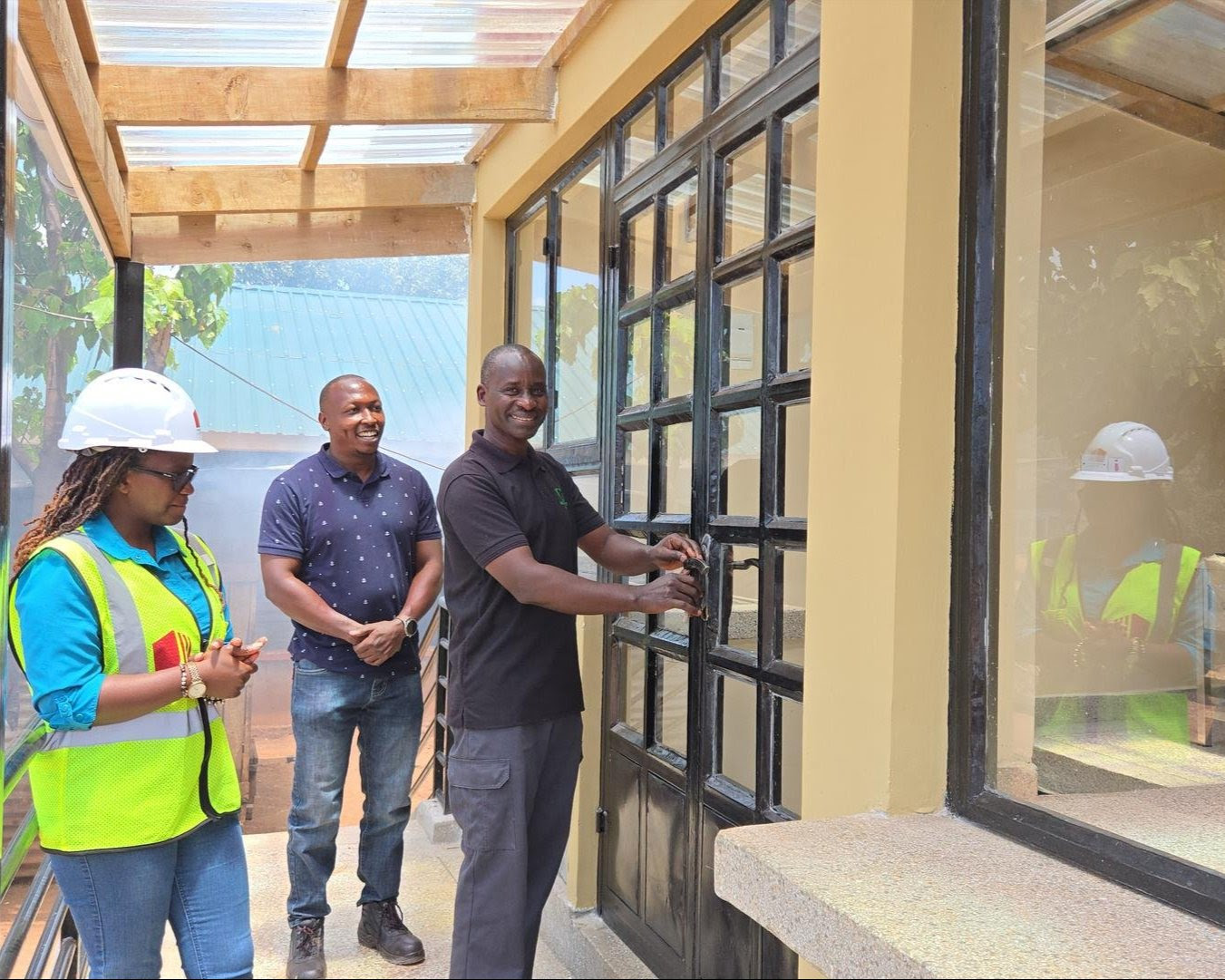
Recognizing the need for a safer and more sustainable cooking environment, Construction for Change partnered with World’s Children to support Macecall Children’s Mission. The goal was to replace the inadequate structure with a permanent kitchen that could serve approximately 150 children while helping remove barriers to education and improving conditions for children in vulnerable situations.
Solution & Value Add
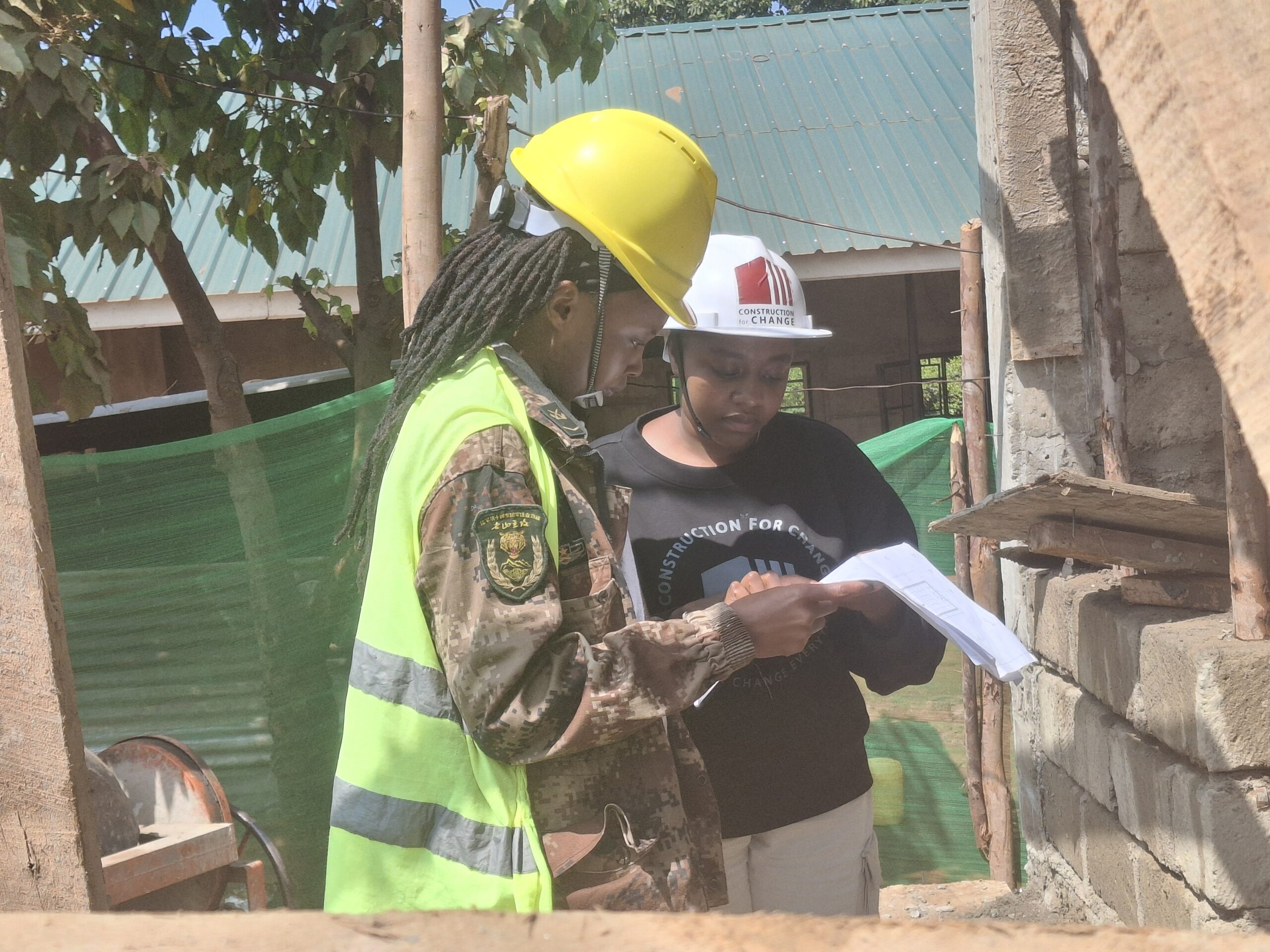
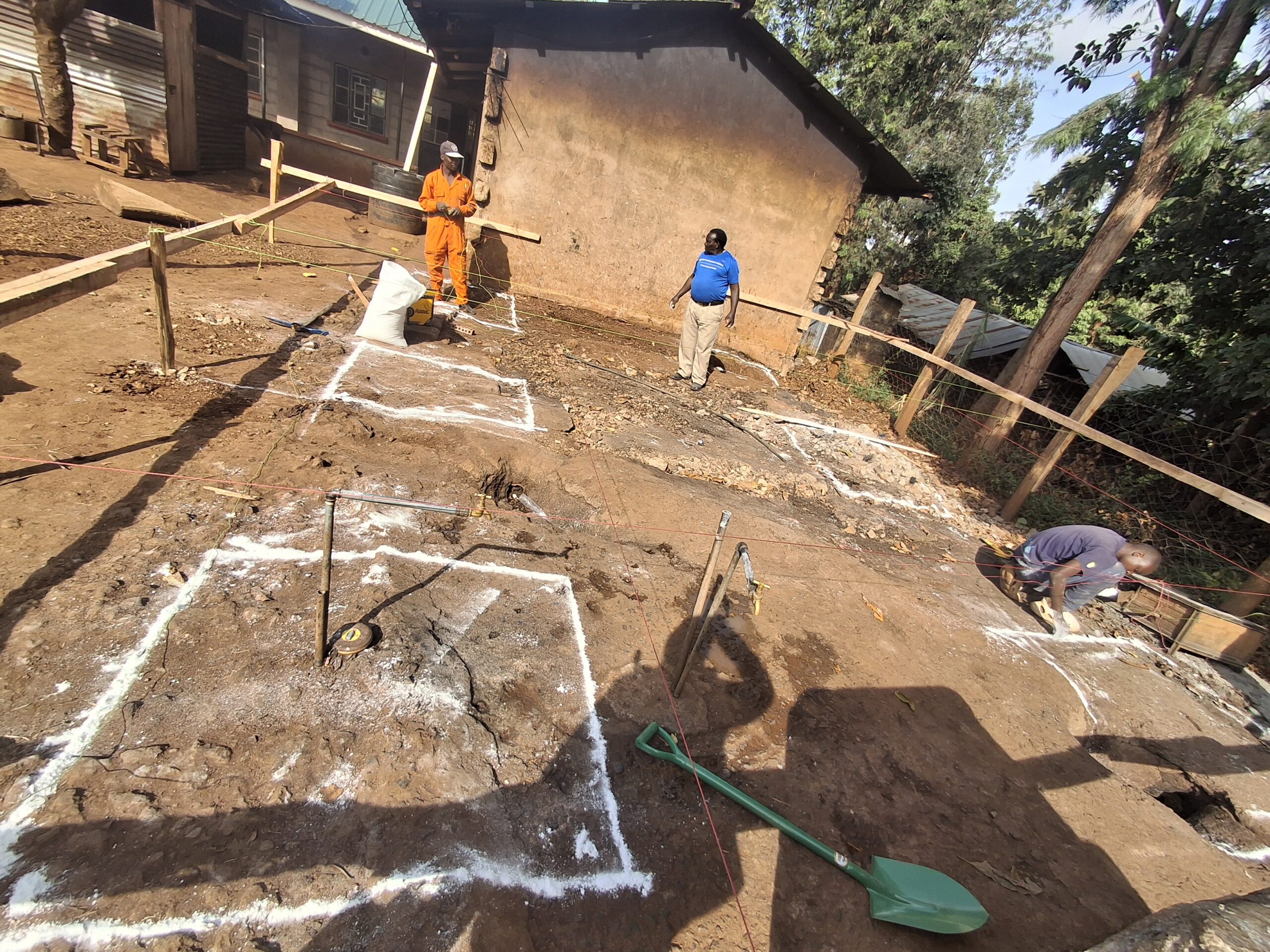
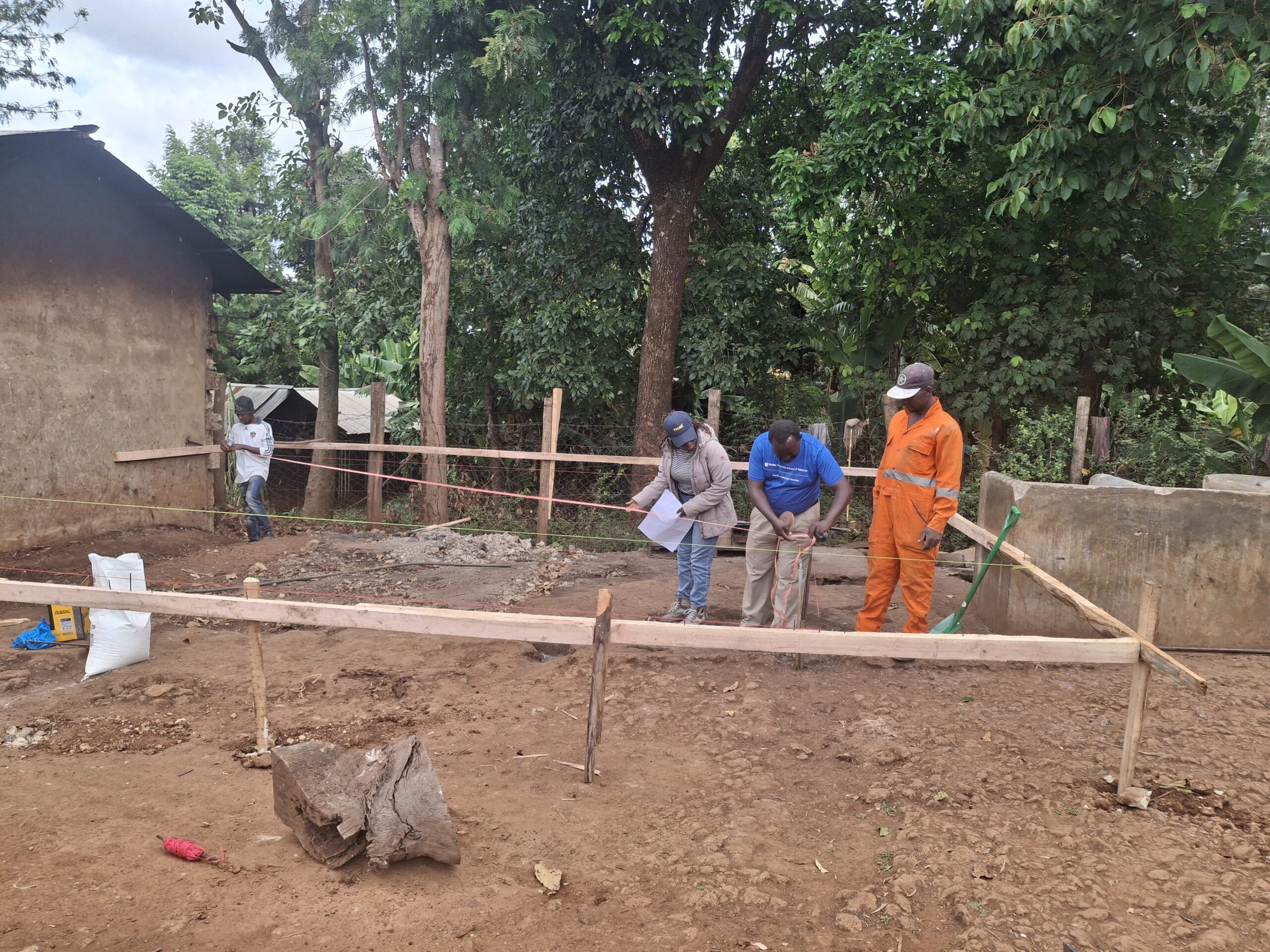
CfC provided professional project management and coordination, serving as the primary liaison between project owners, contractors, and subcontractors. Through stakeholder coordination, cost control, quality assurance, and attention to safety standards, CfC helped turn the initial architectural concepts into a practical, sustainable facility.
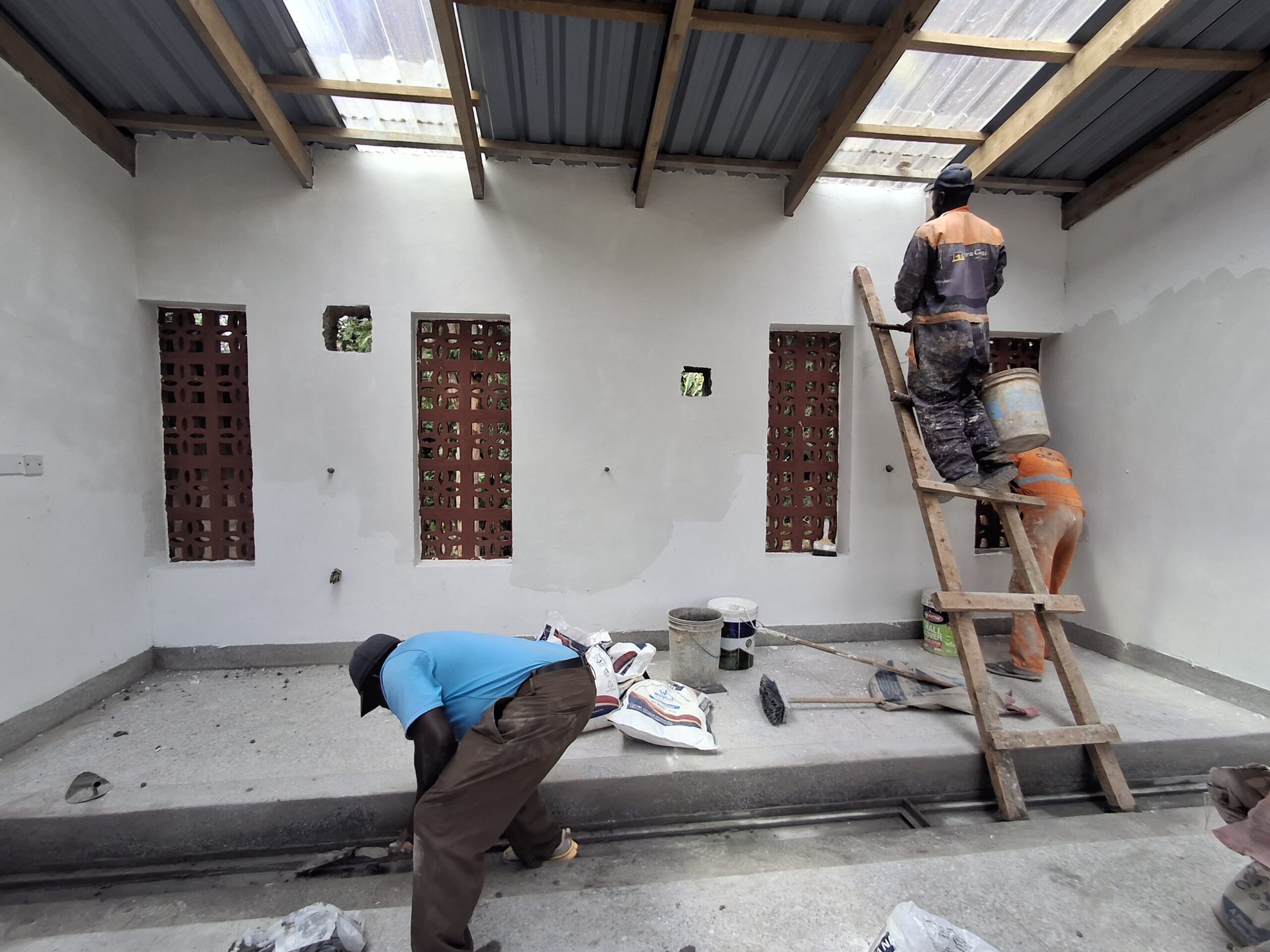
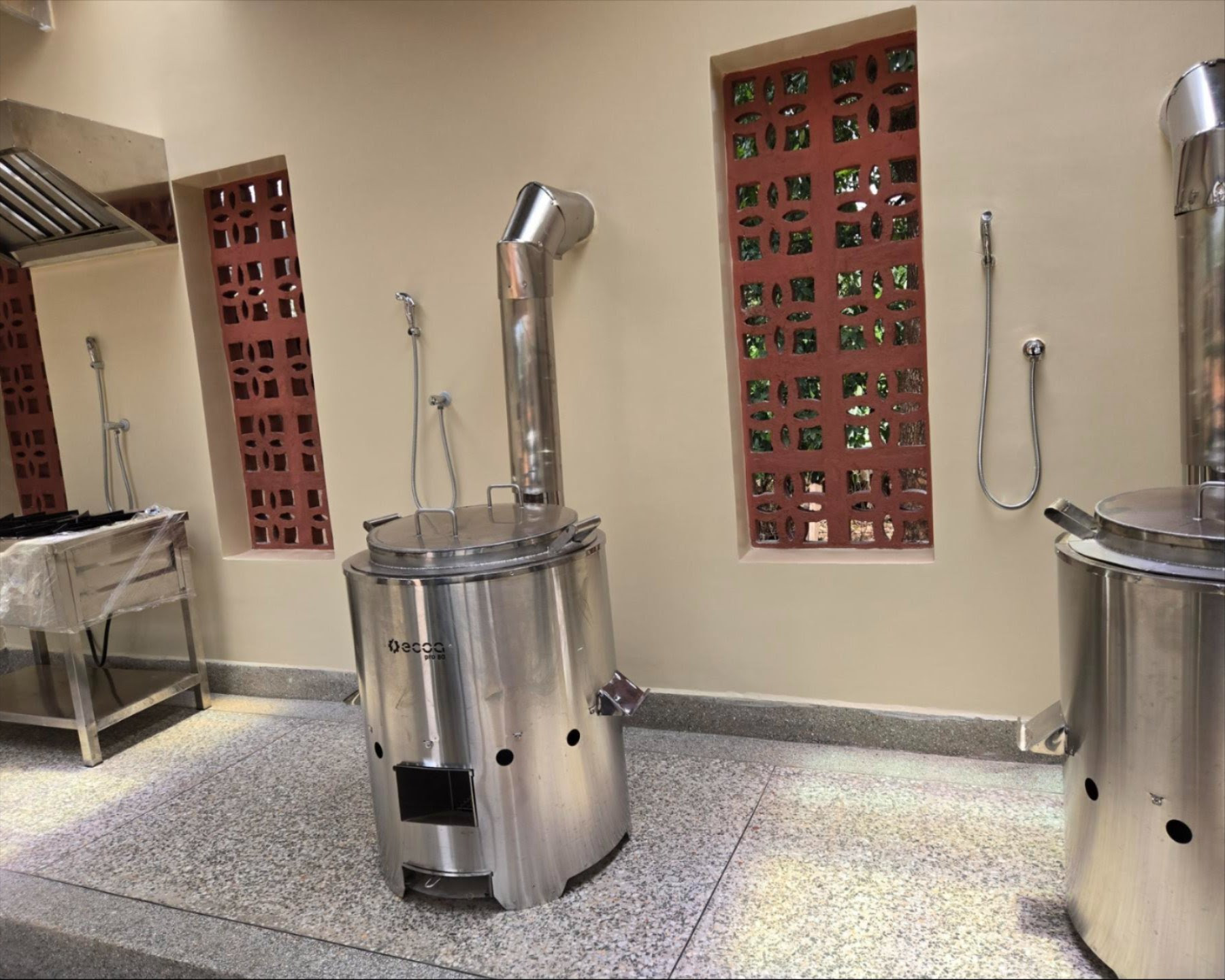
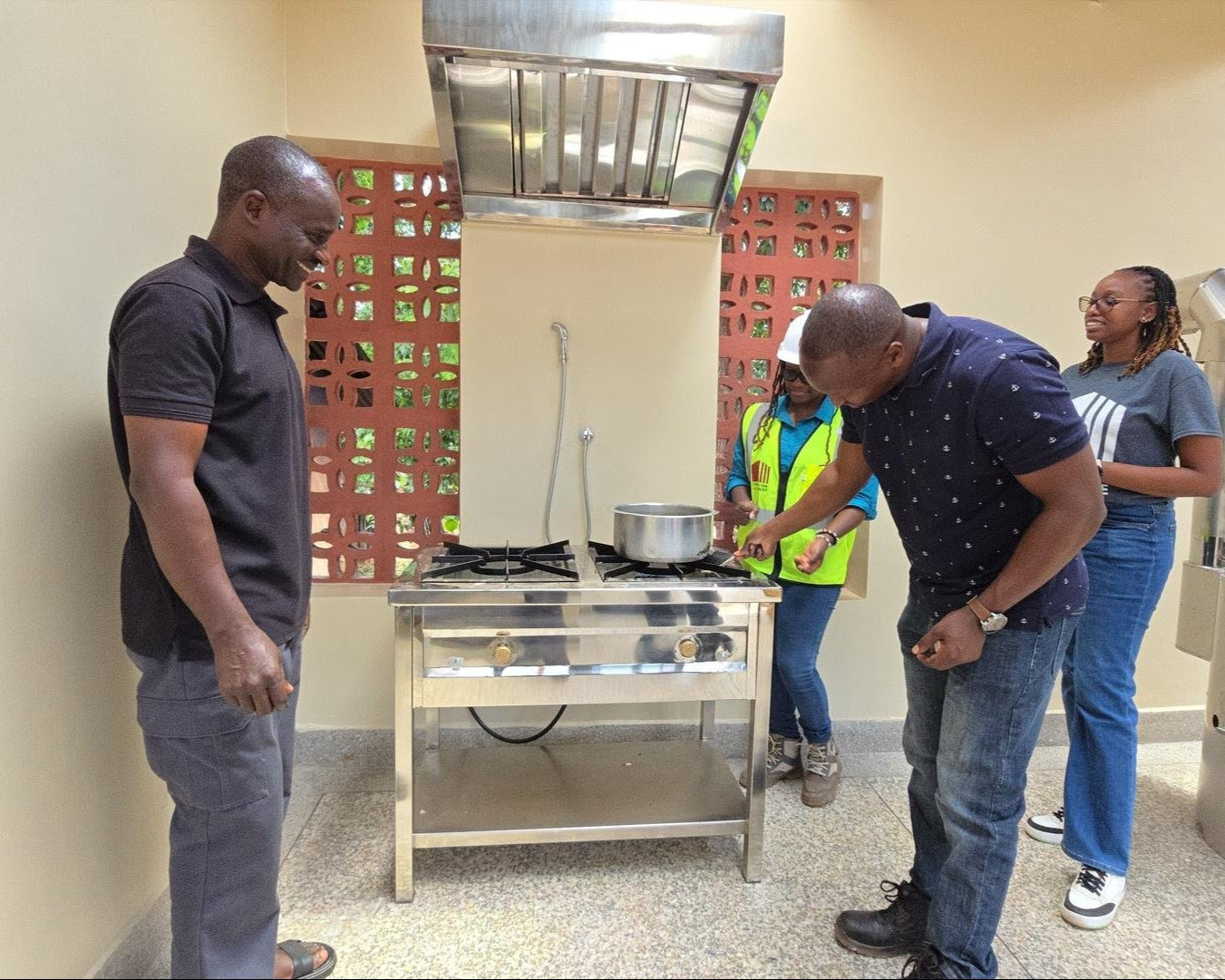
The new kitchen incorporates environmentally conscious solutions designed to reduce indoor air pollution and improve efficiency. Solar panels provide lighting, while energy efficient cooking stoves are designed to reduce fuel consumption by nearly half.
Through continuous project oversight, CfC helped deliver the project three weeks ahead of schedule and 18.75% below the approved budget, demonstrating the value of effective project management in delivering quality infrastructure efficiently.
The Result was a Thriving Ecosystem
- Education: The kitchen is designed to support approximately 150 children at Macecall Children’s Mission. By improving the facility where meals are prepared, the project helps strengthen the daily environment that supports children’s well-being and access to education.
- Sustainability: Solar powered lighting and energy efficient cooking stoves help reduce energy demands and fuel consumption. The permanent structure replaces a temporary kitchen and introduces a more sustainable approach to food preparation while addressing harmful indoor air pollution.
- Economic Impact: Completing the project three weeks ahead of schedule and 18.75% below the approved budget demonstrates effective cost control and resource management. The initiative also created local employment opportunities through the use of local labor and materials.
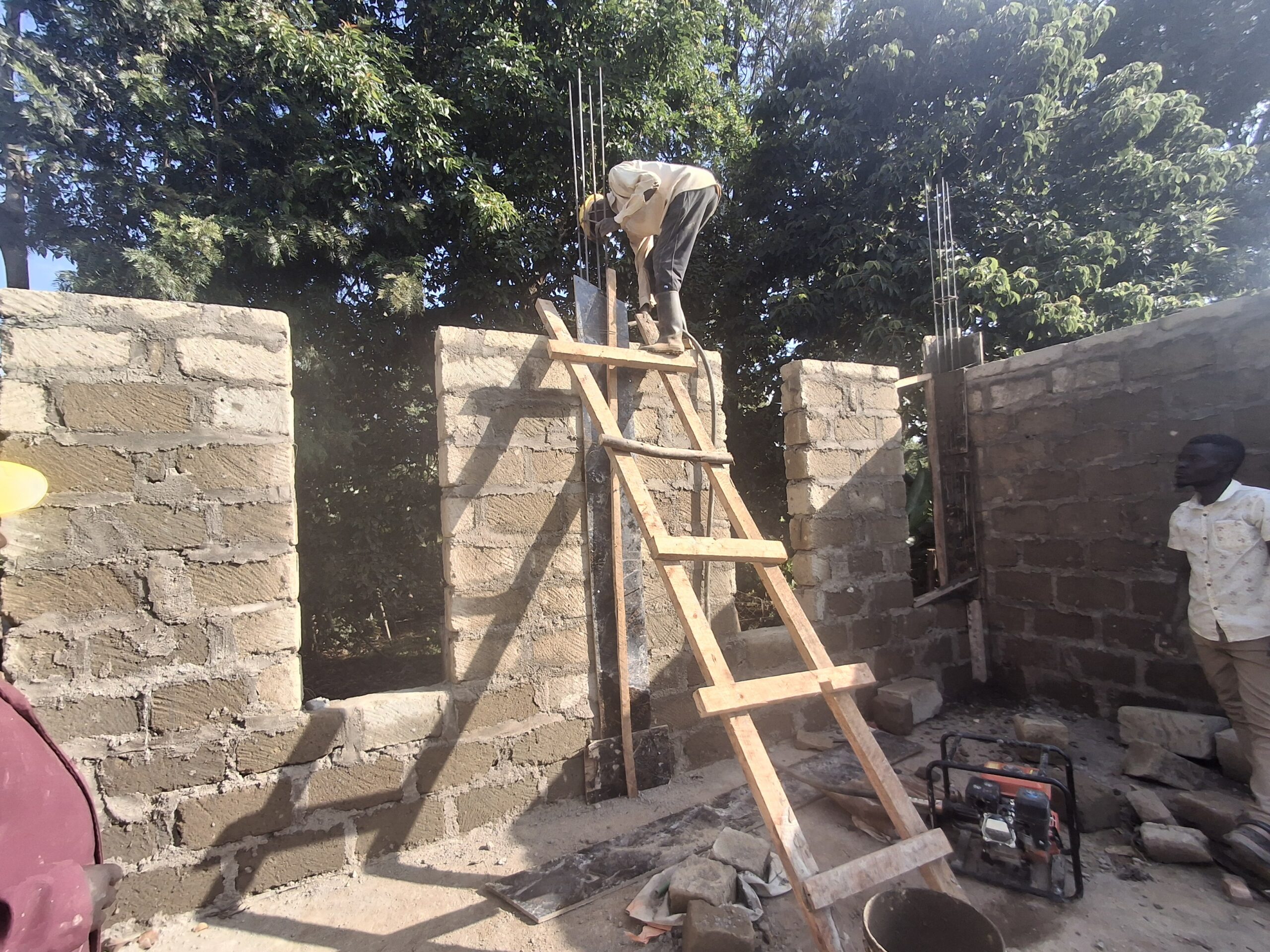
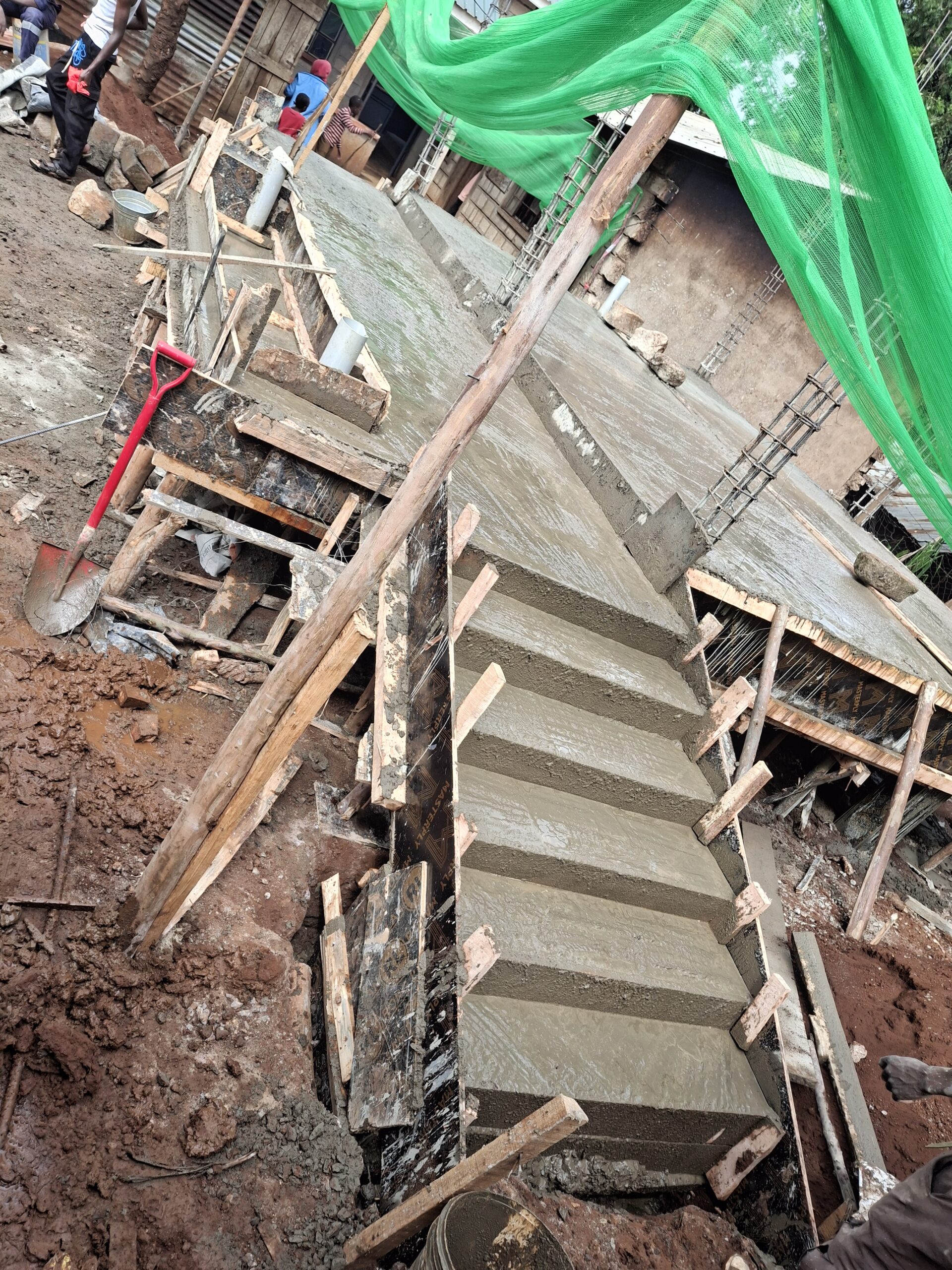
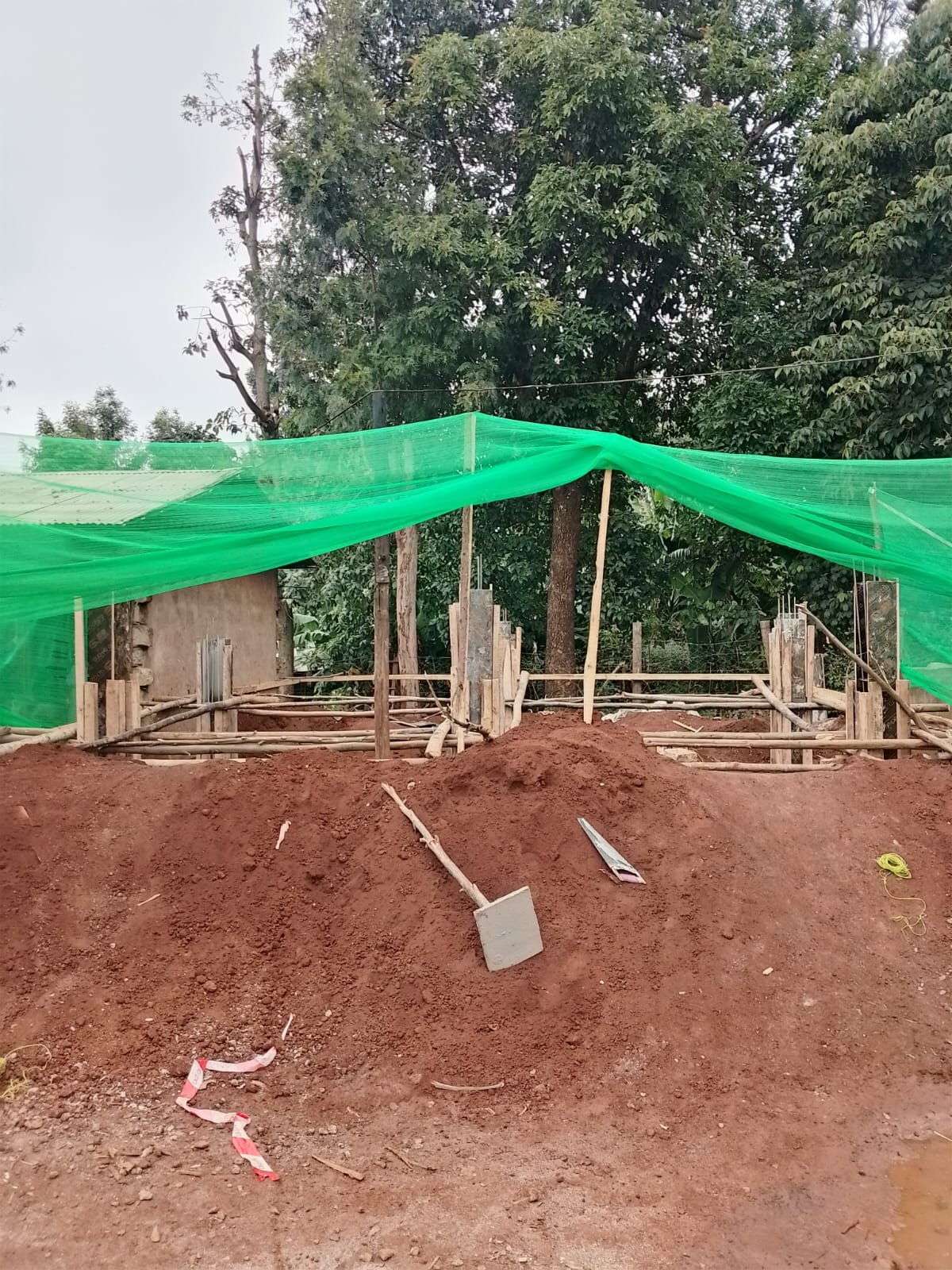
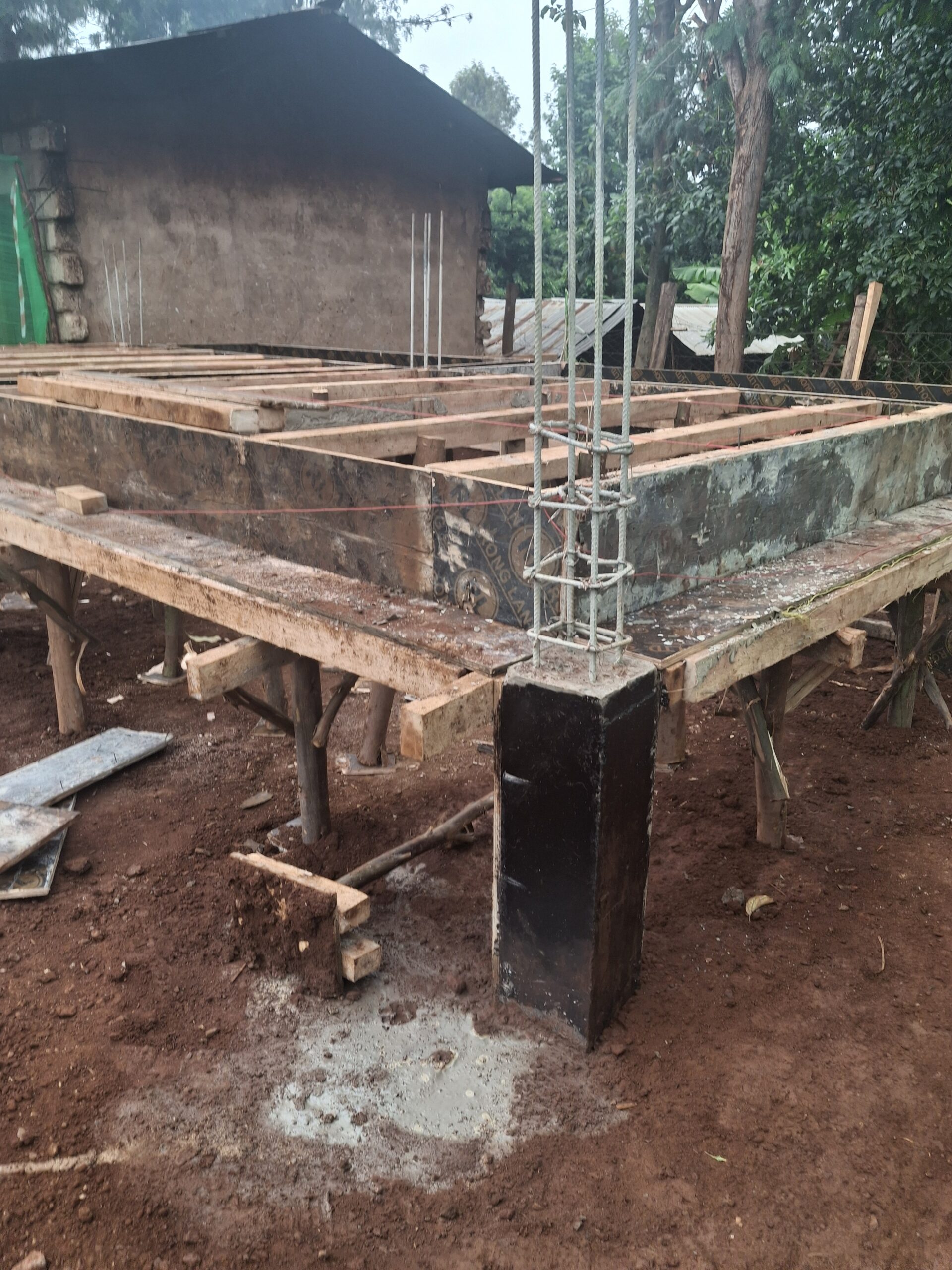
- Infrastructure: The project replaces a temporary timber and iron sheet kitchen with a permanent, eco-friendly facility designed to serve approximately 150 children. The improved structure supports safer food preparation, better working conditions for kitchen staff, and a healthier environment for the wider Macecall community.
Partner

Quick Stats
Project Commencement
2026
Location
Meru, Kenya
Current Status
Completed
Key Focus
New Kitchen to support children’s education
Cost
Completed 18.75% below the approved budget.
Facility Capacity
Approximately 150 children
Project Manager
Susan Ndambuki